
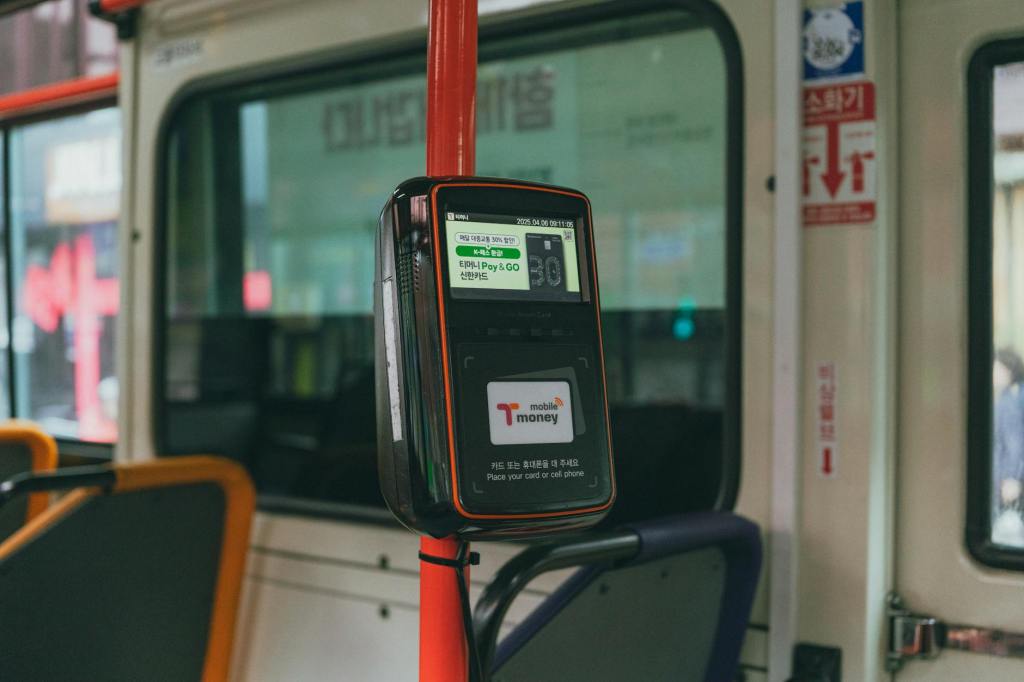
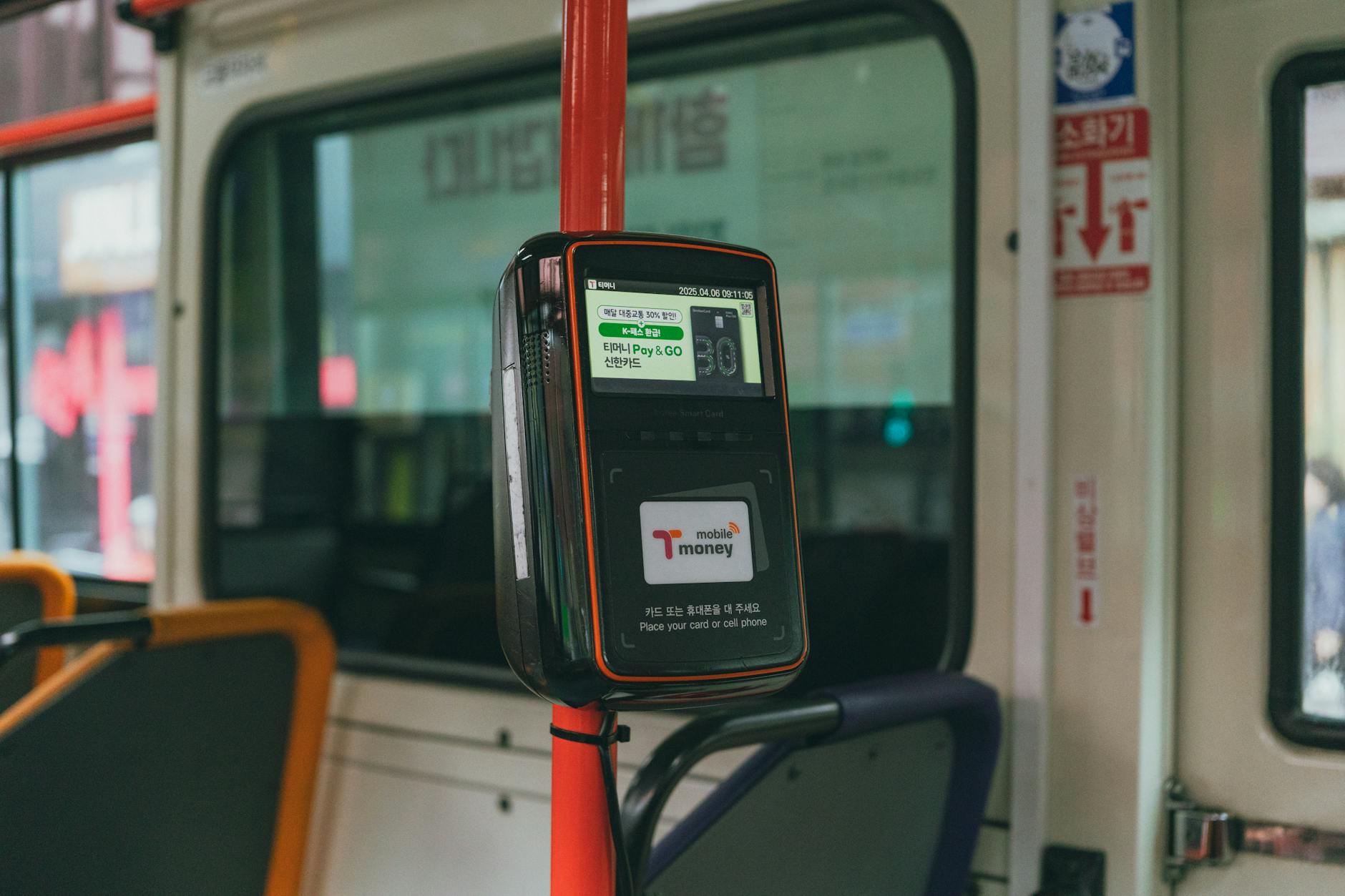
As urban populations grow and mobility demands evolve, city planners, transit agencies, and project management offices (PMOs) face a critical decision in modernizing public transportation systems: Should you implement an open-loop or closed-loop fare payment system? This choice is not merely technical but a strategic one that impacts ridership experience, operational efficiency, equity, and long-term scalability. With U.S. cities increasingly adopting innovative fare systems, understanding the trade-offs between open-loop and closed-loop models is essential for aligning with your city’s unique needs and goals.
This blog post explores the key differences between open-loop and closed-loop fare systems, examines real-world examples from U.S. transit agencies, and provides actionable insights to guide transit leaders in choosing the right model for their city.
Understanding Open-Loop and Closed-Loop Systems
What Is an Open-Loop Payment System?
An open-loop system allows riders to pay fares directly using third-party payment methods, such as contactless credit or debit cards, or digital wallets like Apple Pay or Google Pay. Similar to retail point-of-sale transactions, open-loop systems eliminate the need for transit-specific cards, offering a seamless onboarding experience for riders. These systems leverage existing payment infrastructure, such as EMV (Europay, Mastercard, Visa) contactless readers, making them quick to deploy.
What Is a Closed-Loop Payment System?
In contrast, a closed-loop system relies on proprietary fare media issued by the transit agency, such as smartcards, mobile apps, or reloadable tickets. Riders must preload funds or purchase passes, often using transit-specific infrastructure like kiosks or online portals. Closed-loop systems give agencies greater control over fare policies and data but require more upfront investment in infrastructure.
Comparing Open-Loop and Closed-Loop Systems
To help transit leaders evaluate these models, here’s a comparison of their key features:
| Feature | Open-Loop | Closed-Loop |
|---|---|---|
| Onboarding for New Users | Seamless; riders use existing bank cards or digital wallets. | Slower; requires purchasing and loading a transit-specific card or app. |
| Transaction Fees | Higher due to bank and card network fees. | Lower, as processing is handled internally. |
| Control Over Fare Policy | Limited; third-party processors may restrict complex fare structures. | Full control, enabling flexible discounts, transfers, and passes. |
| Accessibility for Unbanked Riders | Requires supplementary options to ensure equity. | Easier to support with cash reload points and physical cards. |
| Infrastructure Costs | Lower; leverages existing EMV readers. | Higher; requires card issuance, kiosks, and reload networks. |
| Data Ownership | Shared with third-party processors, requiring strict PCI compliance. | Retained in-house, offering valuable insights for planning and analytics. |
This comparison highlights the trade-offs between convenience, cost, and control, which are critical for aligning the fare system with your city’s priorities.
Real-World Examples from U.S. Transit Agencies
U.S. cities have adopted a range of approaches to fare modernization, offering valuable lessons for transit planners.
New York City: OMNY’s Hybrid Approach
The Metropolitan Transportation Authority’s (MTA) OMNY system is a flagship example of open-loop adoption. Riders can tap contactless bank cards or mobile wallets at subway turnstiles and buses, streamlining the payment process. However, recognizing the needs of unbanked riders, the MTA introduced the OMNY Card—a closed-loop option that accepts cash reloads. This hybrid model balances convenience with inclusivity, ensuring access for all riders.
Key Takeaway: Open-loop systems excel in convenience, but cities must incorporate closed-loop options to address equity for cash-reliant populations.
Chicago: Ventra’s Closed-Loop Evolution
The Chicago Transit Authority’s (CTA) Ventra system is a robust closed-loop platform with account-based ticketing (ABT) functionality. Riders can manage balances, load passes via a mobile app, and link multiple fare products to a single account. While Ventra supports contactless bank card payments on select services, its core remains closed-loop, offering flexibility for complex fare policies like transfers and discounts.
Key Takeaway: Closed-loop systems can be modern and user-friendly when paired with digital tools, but they require robust mobile and account management features to meet rider expectations.
Portland: TriMet’s Hybrid Success
TriMet’s Hop Fastpass system in Portland exemplifies a hybrid model that seamlessly integrates open- and closed-loop payments. Riders can use a reloadable Hop card (closed-loop) or tap a bank card or mobile wallet (open-loop). A standout feature is fare capping, which ensures riders pay no more than a daily or monthly pass, regardless of payment method. This approach promotes financial fairness and flexibility.
Key Takeaway: Hybrid systems with fare capping can accommodate diverse rider needs while maintaining policy control.
Miami: Open-Loop for Tourists
In 2023, Miami-Dade Transit introduced contactless bank card and mobile wallet payments across its buses and rail systems. This open-loop adoption primarily serves tourists and occasional riders, reducing onboarding friction for those unfamiliar with the legacy EASY Card system.
Key Takeaway: Open-loop systems are ideal for cities with significant tourist or one-time ridership, as they simplify access for new users.
Key Considerations for Transit Leaders
Choosing the right fare system requires a strategic assessment of your city’s unique needs. Here are four critical factors to consider:
1. Rider Demographics
- Tourist-Heavy Cities (e.g., Las Vegas, Miami): Open-loop systems shine in cities with high tourist traffic, as they eliminate the need for visitors to purchase transit-specific cards.
- Equity-Focused Cities (e.g., Los Angeles, Detroit): Closed-loop or hybrid systems are essential for supporting unbanked riders, with cash reload points and physical cards ensuring accessibility.
2. Fare Policy Complexity
Complex fare structures, such as transfers, student/senior discounts, or time-based passes, are better suited to closed-loop or hybrid systems. Open-loop systems often rely on third-party processors, which may limit flexibility unless paired with a robust back-office clearing engine.
3. Infrastructure Costs
Open-loop systems reduce upfront costs by leveraging existing EMV infrastructure, but higher transaction fees can add up over time. Closed-loop systems require significant investment in kiosks, card issuance, and reload networks but offer predictable long-term costs and greater control.
4. Data Ownership and Privacy
Open-loop systems involve third-party processors, requiring strict PCI compliance and sharing data with external entities. Closed-loop systems allow agencies to retain full control over transaction data, enabling better planning, policy design, and performance analytics.
Choosing the Right Model for Your City
The decision between open-loop, closed-loop, or hybrid systems depends on your city’s goals and constraints. Here’s a quick guide:
| Scenario | Recommended Model |
|---|---|
| Tourist-driven city | Open-loop or hybrid |
| High population of unbanked riders | Closed-loop or hybrid |
| Complex fare structures | Closed-loop with account-based ticketing |
| Budget constraints | Open-loop with phased rollout |
| Future scalability | Hybrid with ABT backend |
The Case for Hybrid Systems
Many successful U.S. transit agencies are adopting hybrid systems that combine the strengths of both models. By integrating open-loop convenience with closed-loop control, agencies can cater to diverse rider needs while maintaining flexibility. Account-based ticketing (ABT) platforms enhance hybrid systems by supporting fare capping, discounts, and digital wallets, ensuring a future-ready solution.
Final Thoughts
The choice between open-loop and closed-loop fare systems is a pivotal decision that shapes rider experience, operational efficiency, and equity. By carefully assessing rider demographics, fare policies, infrastructure costs, and data needs, transit agencies can select a model—or combination of models—that aligns with their strategic vision.
As you plan fare modernization or prepare a request for proposal (RFP), consider your existing infrastructure, rider profiles, and long-term goals. A hybrid system with an ABT backend offers the most flexibility, enabling cities to balance convenience, inclusivity, and innovation.
Need Expert Guidance?
With extensive experience in U.S. transit modernization—from system architecture to procurement and deployment—I can help your agency design a future-ready fare system tailored to your city’s needs.
📩 Contact me
📞 Schedule a free 30-minute consultation at: transitinnovations.com/consult
Let’s work together to build a transit system that drives ridership, equity, and efficiency.
 highstreetconsulting.ca
Leave a comment