
Halifax Transit first told riders that contactless tap-to-pay was coming back in 2019, with a target of 2021. Five years past that date, the system still isn’t live, and the most recent miss is worth looking at closely, because it’s a clean example of a failure mode that shows up constantly in transit payment modernization and almost never gets named out loud: a program that looks on-track right up until integration testing surfaces a dependency nobody had mapped.
Here’s what happened. During spring budget deliberations, Halifax Regional Council approved a 25-cent fare increase, bringing the adult cash fare to $3.25, timed to land alongside the tap-to-pay launch in mid-September. The two were bundled deliberately: riders get a modern payment option in exchange for paying more for it. Then, at a council meeting on July 14, staff told councillors the launch wouldn’t happen on schedule. Robin Gerus, Halifax Transit’s executive director, took responsibility and explained why: the team had made its September commitment based on information that turned out to be incomplete, including the fact that another vendor needed to be involved in a way nobody had anticipated going in. The new target became December.
That’s a textbook dependency-mapping failure, and it’s an easy one to have, not a careless one. “Add tap-to-pay” sounds like a single line item. In practice it touches a payment processor and its PCI compliance certification, a device manufacturer whose reader firmware has its own release cycle, a back-end settlement and reconciliation system, and whatever existing fare media and reporting the new layer has to sit alongside without breaking. Any one of those can turn out to depend on a vendor relationship that wasn’t in scope when the schedule was set. Agencies that get this right do a formal dependency map before committing a public date, not a task list, with every external party who has to deliver something and a line showing what happens to the end date if any one of them slips. Halifax’s team clearly didn’t have that map complete when they told council “September,” and the slippage that followed is the direct, predictable cost of that gap.
The part that makes this worth a post rather than a one-line item in a news roundup is what happened to the rest of the program once that single date moved. Delaying the fare increase alongside the technology created an estimated $288,000 budget shortfall for the transit authority, since the increase and the tap-to-pay rollout had been politically and financially coupled from the start. Staff’s own recommendation was to raise fares in September regardless and let the payment system catch up later. Mayor Andy Fillmore rejected that, arguing council had made a deal with riders: better service for a higher fare, not a higher fare on its own. His amended motion, which passed unanimously, tied the fare increase to the actual go-live of the payment upgrades rather than to a calendar date, and ordered staff to come back with a separate plan for closing the budget gap. That’s a sound governance instinct even though it came out of a messy meeting: when a vendor dependency blows up your schedule, don’t let a financial commitment that was only ever justified by the undelivered capability keep moving forward on its own.
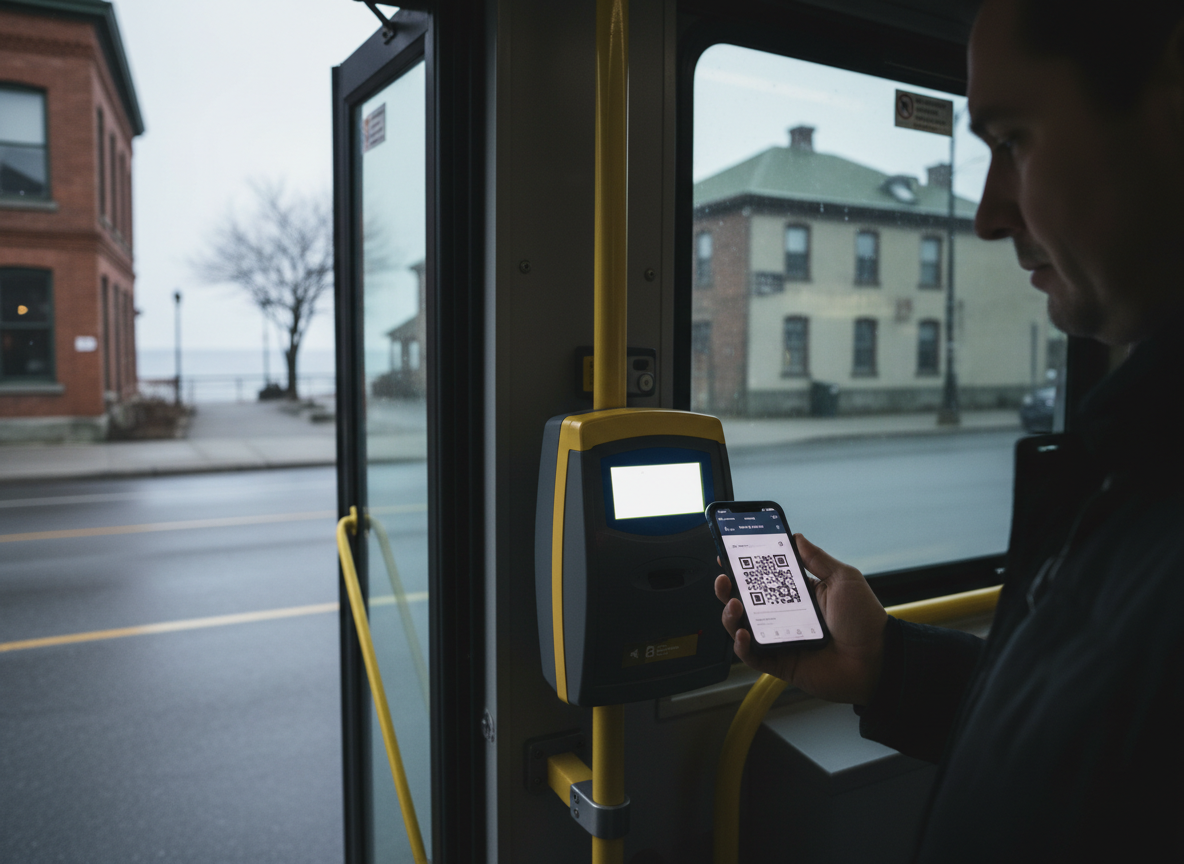
Councillor Tony Mancini called the update “embarrassing” and said “this is a mess, unbelievable.” He’s not wrong about the optics, but the more interesting thing happened two months later, in late September, when Halifax shipped something. The HFXGO app added a “Tap & Ride” feature: load funds into the app, scan a barcode to board, and get the same fare capping that a true contactless system would offer, $7.50 a day and $90 a month, the same price as a monthly pass. It’s not open-loop tap-to-pay. Mancini said as much when it launched, calling it better than what existed before but “not true contactless payment,” and noted real tap-to-pay still matters most for visitors who expect to tap a bank card the way they would in most other cities now. But decoupling fare capping, which riders actually feel in their wallets every week, from the harder debit-and-credit-card integration that’s still waiting on vendor work, is exactly the right move under the circumstances. It gives the agency a shippable win while the dependency that blew up the original date gets resolved properly instead of rushed.
The lesson for anyone running a fare modernization program isn’t “don’t trust your vendors.” It’s that the capability your riders actually want, tap a card and walk on, is usually three or four vendor relationships stacked on top of each other, and the schedule risk lives at the seams between them, not inside any one contractor’s work plan. Mapping those seams before you set a public date, and building a way to ship partial value if one of them slips, is the difference between a quiet schedule adjustment and a council meeting where a councillor calls your program a mess on the record.
Always interested in comparing notes with anyone else who’s lived through a payment integration that looked simple on the slide and turned out to have a vendor nobody budgeted for buried inside it.